In Honor of Our Veterans, Learn More About Home Comfort for Heroes!


Back to Blog
How to Prevent Clogs in Your Drains: Tips Buffalo Homeowners Can Use
Clogged drains are one of the most common plumbing problems Buffalo homeowners face, especially in homes with older plumbing systems. From slow draining sinks to full backups, even small blockages can quickly become frustrating and disruptive if they are not addressed early. Cold weather, everyday household habits, and aging pipes all play a role in how easily drains clog in Western New York homes.
Preventing drain clogs starts with understanding what causes them and making small changes to daily routines. We’re sharing practical drain prevention tips Buffalo homeowners can use to keep plumbing flowing smoothly, reduce the risk of backups, and avoid costly repairs throughout the year.
Why Drain Clogs Are Common in Buffalo Homes
Drain clogs happen everywhere, but Buffalo homes face a few unique challenges that make blockages more likely. Older plumbing systems, seasonal changes, and environmental factors all contribute to recurring drain problems if preventive steps are not taken.
Grease Buildup During Colder Months
Cold Buffalo winters can cause grease and fats to harden faster inside pipes. When grease is poured down kitchen drains, it can:
-
Cool and solidify quickly in cold pipes
-
Stick to pipe walls and collect food particles
-
Narrow drain lines over time
-
Lead to slow drains and complete blockages
Grease buildup is one of the leading causes of kitchen drain clogs during colder months.
Tree Roots and Shifting Ground Conditions
Many Buffalo neighborhoods have mature trees and older sewer lines. Seasonal ground movement and root growth can cause:
-
Tree roots to invade small cracks in pipes
-
Pipes to shift or settle over time
-
Reduced flow in underground drain lines
-
Recurring clogs that affect multiple fixtures
These issues often develop gradually, making early prevention and awareness especially important.
Everyday Habits That Help Prevent Drain Clogs
Preventing drain clogs often comes down to simple daily habits. Small changes in how sinks, toilets, and drains are used can significantly reduce the risk of blockages and backups in Buffalo homes.
Being Mindful of What Enters Sinks and Toilets
Many clogs start when items that do not belong in drains are flushed or washed away. Homeowners should avoid putting the following down drains:
-
Cooking grease, oils, and fats
-
Coffee grounds and food scraps
-
Paper towels and facial tissues
-
Hygiene products and wipes labeled flushable
Only toilet paper and human waste should be flushed, and sinks should be used carefully to prevent buildup.
Using Strainers and Screens
Drain strainers are an easy and affordable way to stop debris before it enters pipes. Helpful uses include:
-
Catching food particles in kitchen sinks
-
Trapping hair in showers and tubs
-
Preventing small objects from entering drains
-
Reducing buildup that leads to slow drainage
Using strainers consistently can prevent many common household clogs.
Kitchen Drain Clog Prevention Tips
Kitchen drains are especially prone to clogs because they handle grease, food particles, and soap residue every day. In Buffalo homes, colder pipe temperatures can make these materials harden faster, increasing the risk of blockages if preventive steps are not followed.
Proper Grease and Food Waste Disposal
Grease and food scraps are the leading causes of kitchen drain clogs. To prevent buildup:
-
Pour cooking grease into a container and dispose of it in the trash
-
Wipe greasy pans with paper towels before washing
-
Avoid rinsing rice, pasta, and starchy foods down the sink
-
Scrape plates into the trash instead of the drain
Keeping grease and food out of drains helps maintain clear pipes year round.
Maintaining Garbage Disposals
Garbage disposals can help manage small food waste, but misuse often leads to clogs. Best practices include:
-
Running cold water before and after using the disposal
-
Feeding small amounts of food gradually
-
Avoiding fibrous foods like celery and potato peels
-
Never using disposals for grease or oils
Proper disposal use keeps kitchen drains flowing smoothly and reduces strain on plumbing.
Bathroom Drain Clog Prevention Tips
Bathroom drains handle a steady mix of hair, soap residue, and personal care products. Over time, these materials combine to create stubborn clogs if preventive habits are not followed. Buffalo homeowners can reduce bathroom drain issues by addressing buildup before it becomes a blockage.
Hair Catchers and Routine Cleaning
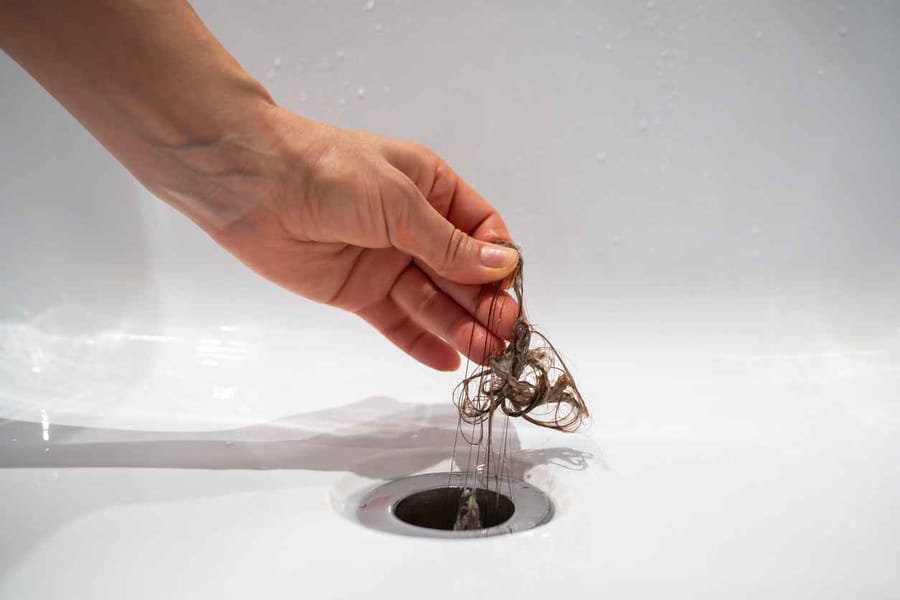
Hair is the most common cause of shower and tub clogs. Simple prevention steps include:
-
Installing hair catchers in tubs and shower drains
-
Removing trapped hair after each use or weekly
-
Flushing drains with hot water to help break down residue
-
Cleaning sink stoppers to remove buildup underneath
Routine cleaning keeps hair and soap from accumulating inside pipes.
Avoiding Flushable Wipes and Hygiene Products
Many bathroom clogs start in toilets rather than sinks or tubs. Homeowners should avoid flushing:
-
Wipes labeled flushable
-
Feminine hygiene products
-
Cotton swabs or dental floss
-
Paper towels or thick tissues
These items do not break down like toilet paper and often cause blockages deeper in the plumbing system.
Laundry and Utility Drain Care
Laundry rooms and utility drains are often overlooked, but they play an important role in preventing whole house drain problems. Lint, detergent residue, and debris can build up over time and restrict flow if preventive care is not part of your routine.
Cleaning Lint Traps and Drain Lines
Lint does not only collect in the dryer. It can also enter plumbing drains and cause buildup. Helpful prevention steps include:
-
Cleaning the washing machine lint trap if your unit has one
-
Using mesh lint catchers on washer discharge hoses
-
Wiping away detergent residue around drain openings
-
Scheduling periodic drain cleaning for laundry lines
Keeping lint out of drain lines helps prevent slow drainage and backups.
Using Washing Machines Responsibly
How a washing machine is used affects drain performance. Best practices include:
-
Avoiding excessive detergent use
-
Washing bulky items in smaller loads
-
Running occasional hot water cycles to clear residue
-
Watching for slow drainage or standing water
Responsible laundry habits reduce stress on plumbing and help prevent clogs in utility drains.
Protect Your Buffalo Home From Costly Drain Clogs
Even with good habits, drain clogs can still develop over time, especially in older Buffalo homes with aging pipes and seasonal challenges. Slow drains, recurring blockages, or backups often signal deeper issues that require professional attention. Addressing problems early helps prevent water damage, unpleasant odors, and emergency plumbing repairs.
Roy’s Plumbing, Heating, Cooling & Electrical provides expert drain services to help Buffalo homeowners keep their plumbing systems flowing smoothly. Whether you need professional drain cleaning or help diagnosing recurring clogs, our experienced team is ready to help.
Contact Roy’s Plumbing, Heating, Cooling & Electrical today to schedule service and protect your home from preventable drain problems.
Recent News
Are Heat Pumps Worth It in Buffalo’s Cold Winters?
WNY Winterization Guide: Protecting Your Pipes and Furnace from Sub-Zero Temps
5 Signs Your Pipes Need Repair Before They Burst: A Guide for Buffalo Homeowners
Why Regular Plumbing Maintenance Pays Off in the Long Run
Mastering Residential Plumbing and Drain Care: Pro Techniques for Leak Prevention, Pipe Longevity, and Eco-Friendly Maintenance

What Is a Mini Split, and How Is It Different from Central Air and Other HVAC Options?
An In-Depth HVAC Efficiency Audit: How to Diagnose Performance Issues, Enhance Indoor Air Quality, and Cut Energy Costs
Get in Touch