$350 OFF a Tankless Water Heater Browse All Current Offers & Save Today



Back to Blog
The Hidden Dangers of Older Buffalo Plumbing: When to Move Beyond the Quick Fix
Buffalo is a city that wears its history with pride. From the stunning Victorians in the Elmwood Village to the sturdy craftsman homes in South Buffalo, our architecture is a testament to Western New York resilience. However, as of 2026, Buffalo officially holds the title for the oldest housing stock in the United States, with a median home age of 66 years. While that age brings undeniable character, it also brings a ticking clock in the form of original plumbing.
At Roy’s Plumbing, Heating, Cooling & Electrical, we have been part of the Buffalo community since 1973. We understand the temptation to reach for a bottle of drain cleaner or a patch kit when a pipe starts acting up. But in a city where nearly a quarter of the homes predate 1940, a quick fix is often just a mask for a much deeper, more dangerous structural issue. This guide explores the unique challenges of Buffalo’s aging pipes and why being proactive is the only way to protect your historic investment.
The Legacy of Buffalo Infrastructure: What is Under Your Floorboards?
Because Buffalo grew so rapidly during the industrial boom, our homes feature a timeline of plumbing evolution. Depending on the neighborhood, your home might still be relying on materials that have far outlived their intended lifespan.
- Lead Service Lines (Pre-1950s): Lead was once the gold standard for its durability and flexibility. Today, we know it poses a significant health risk. While Buffalo Water utilizes corrosion control treatments, any disturbance to these old lines can lead to lead leaching into your drinking water.
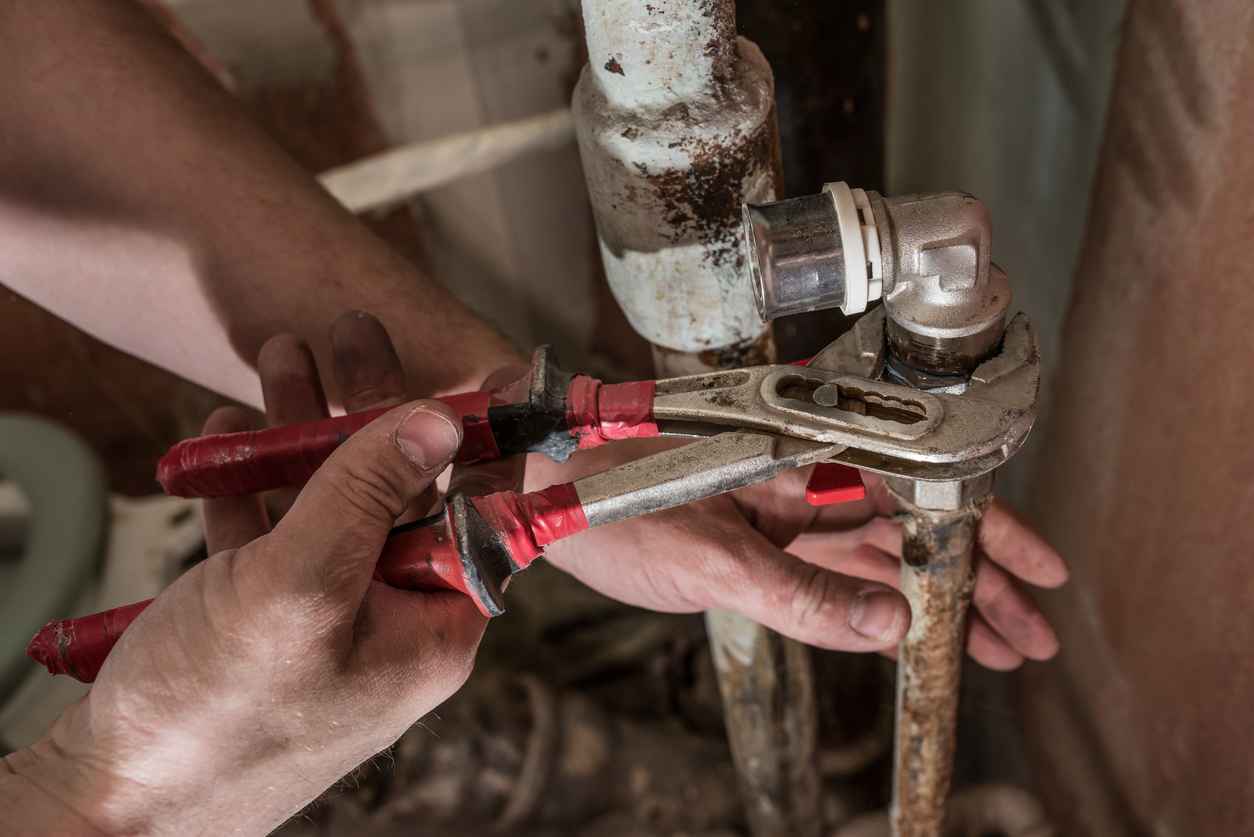
- Galvanized Steel (Pre-1960s): Popular for decades, galvanized pipes were coated in zinc to prevent rust. Over sixty years later, that zinc has worn away, and the pipes are now rusting from the inside out. This leads to restricted water flow, brownish water, and sudden pinhole leaks.
- Cast Iron Waste Lines: These heavy-duty pipes were built to last, but the damp basement conditions of Western New York are their natural enemy. Vertical cracks and “bottom rotting” in cast iron stacks are leading causes of silent sewage leaks in Buffalo basements.
1. The Trap of the Chemical Quick Fix
When a drain slows down in an older North Buffalo home, the first instinct is often to pour a caustic chemical cleaner down the sink. In 2026, we are seeing the long-term consequences of this habit.
- Corrosion Acceleration: Older materials like thin-walled brass and aging galvanized steel are easily eaten away by the high-heat chemical reactions found in store-bought cleaners. A single bottle of liquid cleaner can be the final straw that turns a slow drain into a collapsed pipe.
- Temporary Relief, Permanent Damage: Chemicals often melt a small hole through the clog but leave the rest of the debris behind. This ensures the clog will return, tempting you to use more chemicals and further weakening your pipes.
2. Low Water Pressure: A Symptom of Internal Decay
Many homeowners in Amherst or Kenmore simply accept low water pressure as a quirk of an old house. In reality, low pressure is often a warning sign that your pipes are “closing up” due to mineral and rust accumulation.
- The Constriction Effect: Inside an old galvanized pipe, rust builds up in layers, much like plaque in an artery. If you notice your shower pressure drops when the dishwasher is running, your pipes have likely lost 70 percent of their original diameter.
- The Burst Risk: Because the pump and the utility grid are still pushing water at a standard pressure, these constricted, weakened pipes are under immense stress. A “quick fix” like a new high-pressure showerhead will only increase the strain on your plumbing, potentially leading to a burst pipe behind your walls.
3. The Buffalo Basement: Roots and Clay
Buffalo’s mature tree canopy is part of our charm, but for homes with original clay tile sewer lines, those trees are a constant threat.
- Tree Root Intrusion: Tiny hair-like roots find the joints in old clay pipes, seeking the moisture inside. Once inside, they expand, eventually shattering the pipe.
- Soil Shifting: The intense freeze-thaw cycles of a Western New York winter cause the clay soil to expand and contract. Rigid, older pipes cannot flex with this movement, leading to offsets and collapses that a simple “snaking” cannot fix.
Why Choose Roy’s Plumbing, Heating, Cooling & Electrical?
At Roy’s, we don’t just “patch and pray.” We specialize in the modernization of historic Buffalo plumbing systems. We combine 2026 technology with old-school craftsmanship to give your home a system that will last another century.
- Advanced Video Inspection: We use high-definition sewer cameras to see exactly what is happening under your foundation. We show you the footage so you can see the difference between a simple clog and a structural failure.
- Trenchless Technology: We can often replace your sewer line without digging up your beautiful lawn or driveway, utilizing “pipe bursting” or lining methods that are less invasive and more durable.
- Material Upgrades: We replace dangerous or failing lines with modern PEX or high-grade copper for water supply, and schedule-40 PVC for waste lines, ensuring your home is up to 2026 Buffalo building codes.
- Upfront Pricing: You will never be surprised by a bill. We provide clear, honest estimates and a detailed explanation of why a replacement is more cost-effective than a series of endless repairs.
Investing in Resilience
Buffalo is a city of “Resilient Neighbors.” We prepare for the snow, and we should prepare for our home’s aging infrastructure. Moving beyond the quick fix isn’t just about avoiding a leak; it’s about protecting the health of your family and the value of your property. If your home is over 50 years old, don’t wait for the puddle in the basement to tell you there is a problem.
Protect your Buffalo home for the future. Contact Roy’s Plumbing, Heating, Cooling & Electrical today to schedule your plumbing service and ensure your historic home is truly solid!
Recent News
How To Keep Critters Out Of Your Home’s Vent Opening
How To Tell If Your Toilet’s Wax Ring is Leaking
Do Heat Pumps Work Well in Older Buffalo Homes?
Why Older Buffalo Homes Often Need Electrical Panel Upgrades
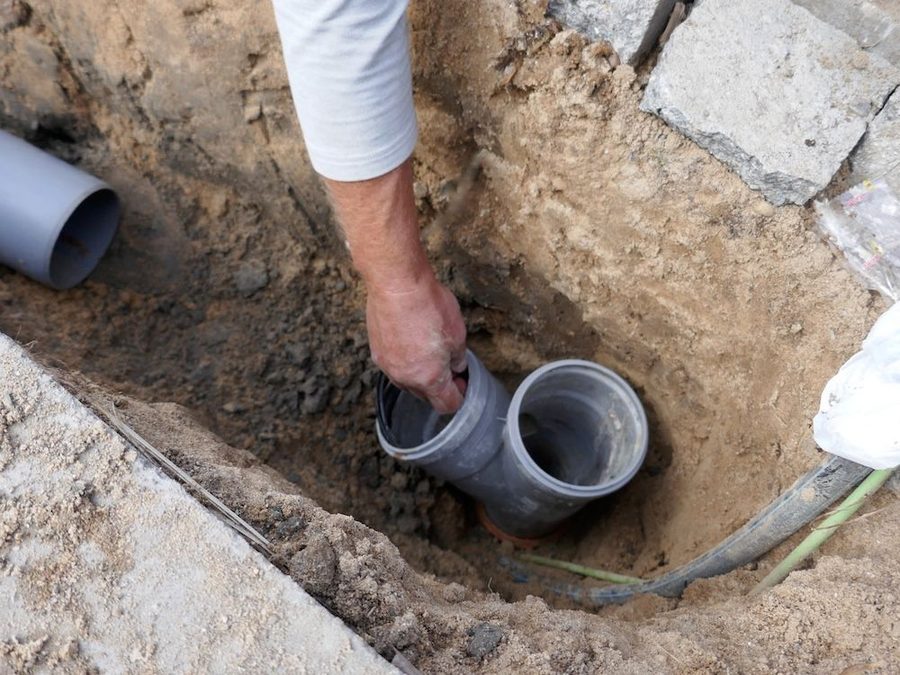
When a Slow Drain Signals a Sewer Line Problem in Buffalo Homes
The ‘Lake Effect’ Aging Process: How Buffalo Humidity Corrodes Your HVAC System
Why Spring Is the Best Time to Install a Heat Pump in Buffalo
Get in Touch