$350 OFF a Tankless Water Heater Browse All Current Offers & Save Today


Back to Blog
6 Signs Your Ductwork May Be Leaking
Your HVAC system can be working properly, but if your ductwork is leaking, some of that heated or cooled air may never make it to the rooms where you need it.
Leaky ductwork can affect comfort, energy efficiency, and indoor air quality. Fortunately, there are several warning signs that can help you identify a potential problem.
1. Your Utility Bills Are Increasing
Have your energy bills gone up even though your household’s HVAC usage hasn’t changed significantly?
Leaky ductwork could be one possible reason. When conditioned air escapes through gaps, cracks, or disconnected sections of ductwork, your HVAC system may have to work harder to maintain the temperature inside your home.
2. Some Rooms Are Too Hot or Too Cold
Do you have rooms that always seem warmer or colder than the rest of the house?
Uneven temperatures can be a sign that conditioned air isn’t being distributed properly. If ductwork is damaged or leaking, certain areas of your home may not receive the airflow they need.
3. Airflow From Your Vents Is Weak
When your HVAC system is running, you should generally feel air coming from your vents.
If certain vents have noticeably weaker airflow than others, a leak, gap, or damaged section of ductwork could be preventing air from reaching the room.
4. You’re Noticing More Dust Around Your Home
An increase in household dust can be another warning sign.
Depending on where the ductwork is located and how it is sealed, leaks can allow dust and other particles to enter the system and potentially be distributed throughout your home when the HVAC system operates.
5. You Hear Whistling or Hissing Sounds
Your ears may also provide a clue that something is wrong.
If you hear whistling, hissing, or unusual airflow noises around your ductwork while your HVAC system is running, air could be escaping through a gap, crack, or loose connection.
6. You Can See Damage to the Ductwork
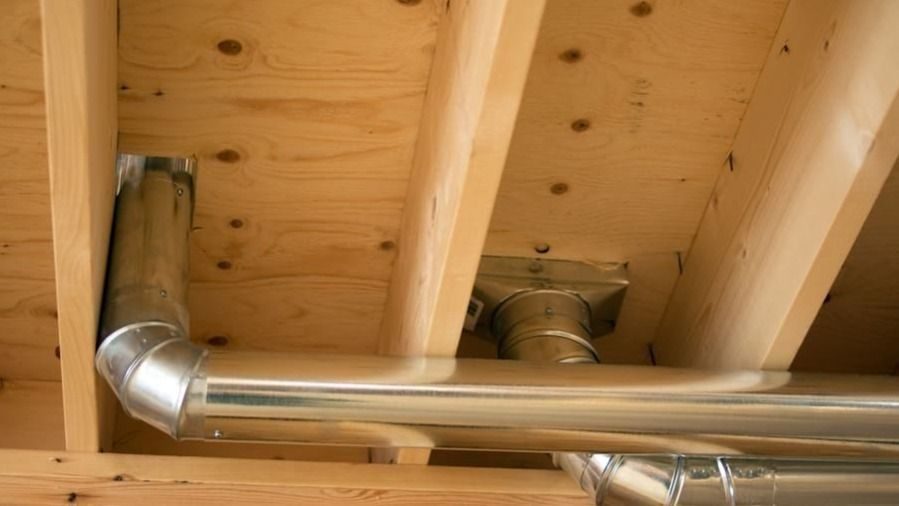
If portions of your ductwork are visible, take a look for obvious signs of damage.
Disconnected sections, visible gaps, loose seals, or other damage can all indicate that conditioned air may be escaping before it reaches your living spaces.
When Should You Have Your Ductwork Inspected?
If you’re noticing higher energy bills, uneven temperatures, weak airflow, increased dust, unusual noises, or visible ductwork damage, it may be worth having your ductwork inspected by an HVAC professional.
Identifying and addressing leaks can help your HVAC system deliver conditioned air where it belongs—through the vents and into the rooms of your home.
Recent News
Before the First Freeze: How to Prepare Your Buffalo Heat Pump for Winter
What Does a Buzzing Circuit Breaker Mean?

How To Keep Critters Out Of Your Home’s Vent Opening
How To Tell If Your Toilet’s Wax Ring is Leaking
Do Heat Pumps Work Well in Older Buffalo Homes?
Why Older Buffalo Homes Often Need Electrical Panel Upgrades
When a Slow Drain Signals a Sewer Line Problem in Buffalo Homes
Get in Touch