$350 OFF a Tankless Water Heater Browse All Current Offers & Save Today


Back to Blog
WNY Winterization Guide: Protecting Your Pipes and Furnace from Sub-Zero Temps
Western New York winters are legendary for their intensity. From the lake effect snow to the sudden drops into sub zero territory, your home’s infrastructure takes a beating every year. When the temperature plunges, your plumbing and heating systems have to work significantly harder just to maintain a baseline of safety and comfort.
At Roy’s Plumbing, Heating, Cooling & Electrical, we have seen how quickly a minor oversight can turn into a major emergency during a Buffalo freeze. Proper winterization is not just about staying warm; it is about protecting your largest investment from the destructive power of ice and extreme cold. This guide outlines the essential steps every WNY homeowner should take to ensure their pipes and furnace are ready for the coldest nights of the year.
Protecting Your Pipes from the Big Freeze
Frozen pipes are one of the most common and costly winter plumbing issues in our region. When water freezes, it expands with enough force to burst copper, plastic, or even steel pipes.
Essential Pipe Insulation
The pipes most at risk are those in unheated areas like crawlspaces, attics, or against exterior walls.
-
Identify Vulnerable Areas: Walk through your basement and crawlspace to find pipes located near drafty windows or rim joists.
-
Use Foam Sleeves: Inexpensive foam pipe insulation can provide a critical layer of protection. Ensure the sleeves fit snugly and cover the entire length of the exposed pipe.
-
Seal Air Leaks: Use spray foam or caulk to seal gaps where pipes enter the home. Cold air whistling through a small hole can freeze a pipe even if the room itself feels warm.
Outdoor Faucet Care
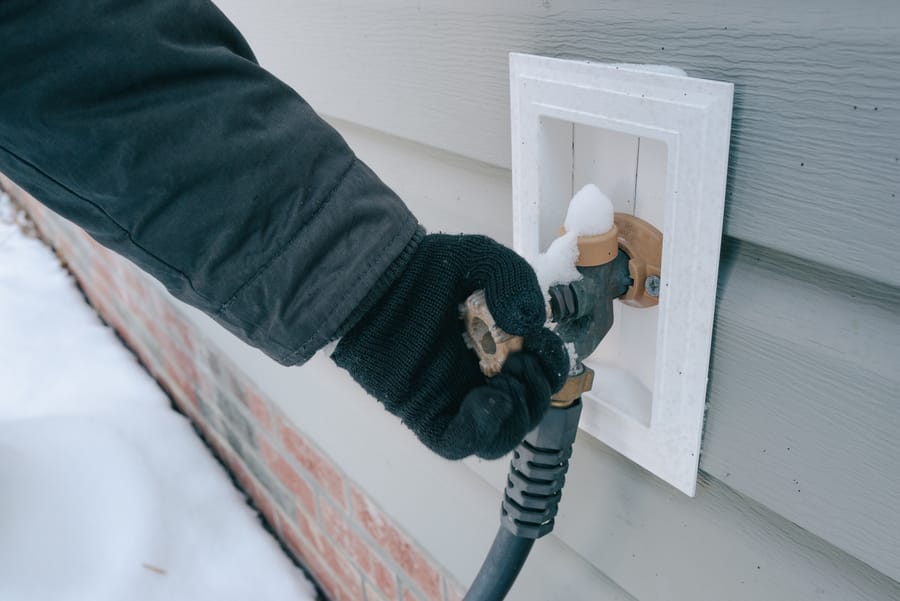
Your outdoor hose bibs are directly exposed to the sub zero temperatures and must be winterized before the first frost.
-
Disconnect Hoses: A garden hose full of water will freeze and push ice back into the house, bursting the pipe inside the wall.
-
Shut Off and Drain: Locate the indoor shut off valve for your outdoor faucets. Turn it off and then open the outdoor tap to let any remaining water drain out.
-
Use Insulated Covers: For extra protection, place an insulated “styrofoam dome” cover over the outdoor faucet to block the wind.
Furnace Readiness for Sub Zero Streaks
In Western New York, your furnace is more than a convenience; it is a life safety system. When the outdoor temperature hits negative numbers, your heating system must run almost constantly to keep up.
High Demand Airflow Management
The biggest enemy of a furnace during a deep freeze is restricted airflow. If the system cannot “breathe,” it will overheat and shut down right when you need it most.
-
Monthly Filter Changes: During the peak of winter, check your filter every 30 days. A dirty filter forces the blower motor to work harder, increasing the risk of an electrical failure.
-
Clear the Exhaust Vents: After a lake effect snowstorm, check the PVC pipes on the side of your house. If snow or ice blocks the intake or exhaust, your furnace will shut off automatically for safety.
-
Keep Vents Open: Ensure that furniture and curtains are not blocking your floor or wall registers. Your furnace needs a clear path to distribute heat evenly.
Professional Calibration
A furnace tune up is the best way to prevent a middle of the night breakdown. A technician can identify small issues before they become emergency repairs.
-
Flame Sensor Cleaning: Carbon buildup on the flame sensor is a leading cause of furnace failure. A quick cleaning ensures the system stays lit.
-
Lubricating Moving Parts: Reducing friction in the blower motor helps the system run more efficiently and lowers your National Grid or NYSEG bills.
-
Gas Pressure Check: We ensure your burners are set correctly to provide maximum heat without wasting fuel.
Emergency Tactics for Extreme Cold
When the forecast predicts temperatures well below zero, you may need to take “active” measures to protect your home.
The “Drip” Method
If you have a sink located against an outside wall, turn on the faucet to a very slow drip. This keeps water moving through the pipes, which makes it much harder for ice to form. It also relieves the pressure inside the pipe if a small ice blockage does start to occur.
Open Cabinet Doors
Kitchen and bathroom cabinets often trap cold air around the plumbing. Open the doors under your sinks to allow the warm air from your furnace to reach the pipes. This is especially important for sinks located on the perimeter of the house.
Maintain a Steady Temperature
While it is tempting to turn the thermostat down at night to save money, extreme cold is the time to keep it steady. Setting your heat to at least 68 degrees 24/7 prevents the structural components of your home from cooling down too much, which protects both your pipes and your comfort.
Don’t Let the WNY Winter Win
Is your home ready for the next “Big Freeze”? Don’t wait for the temperature to drop to find out. Contact Roy’s Plumbing, Heating, Cooling & Electrical today to schedule a comprehensive winter safety assessment. From furnace tune ups to pipe protection, we provide the expert service you need to stay comfortable all season long.
Call us today for a worry free winter.
Recent News
How To Keep Critters Out Of Your Home’s Vent Opening
How To Tell If Your Toilet’s Wax Ring is Leaking
Do Heat Pumps Work Well in Older Buffalo Homes?
Why Older Buffalo Homes Often Need Electrical Panel Upgrades
When a Slow Drain Signals a Sewer Line Problem in Buffalo Homes
The ‘Lake Effect’ Aging Process: How Buffalo Humidity Corrodes Your HVAC System
The Hidden Dangers of Older Buffalo Plumbing: When to Move Beyond the Quick Fix
Get in Touch