$350 OFF a Tankless Water Heater Browse All Current Offers & Save Today


Back to Blog
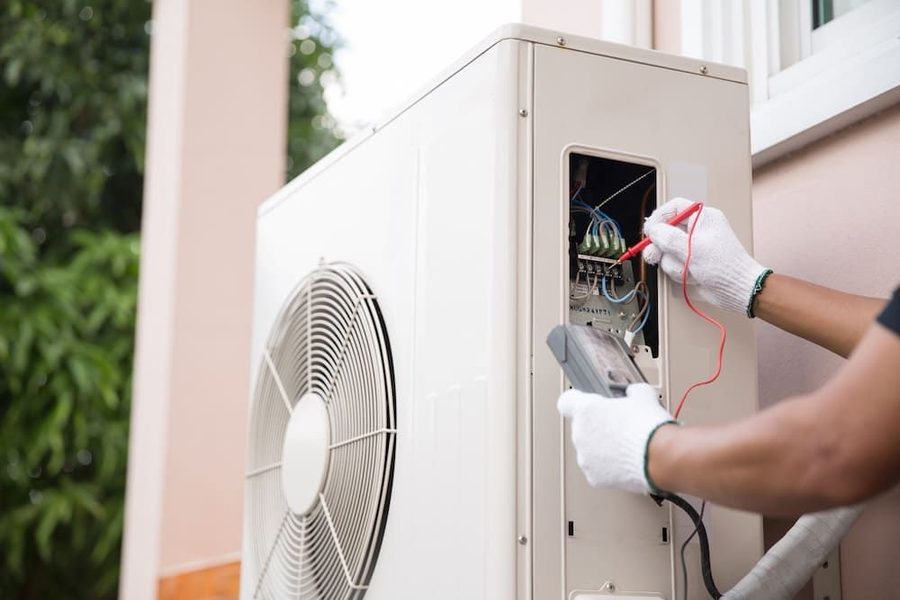
Do Heat Pumps Work Well in Older Buffalo Homes?
With classic housing stock stretching across North Buffalo, Elmwood Village, South Buffalo, and older inner-ring suburbs like Kenmore and Cheektowaga, Western New York is filled with architectural character. However, heating these historic homes through harsh Great Lakes winters is a major challenge.
With rising natural gas prices and a growing push toward home electrification, many Buffalo homeowners are asking: Can a modern heat pump actually keep an older, drafty Buffalo home warm during a sub-zero lake-effect blizzard?
Historically, the answer might have been no. But thanks to advances in cold-climate inverter technology, the landscape has changed. Roy’s Plumbing, Heating, Cooling & Electrical has been keeping Western New York homes comfortable, safe, and efficient since 1968. This guide breaks down how cold-climate heat pumps work, how they perform in older Buffalo residences, and what steps are needed to ensure optimal efficiency.
The Technology Shift: Traditional vs. Cold-Climate Heat Pumps
To understand why modern heat pumps succeed where older units failed, it helps to look at the technology:
-
Standard Heat Pumps: Traditional units work well in moderate southern climates, but lose heating capacity rapidly as outdoor temperatures drop toward freezing, requiring inefficient backup electrical resistance heat.
-
Cold-Climate Heat Pumps (ccASHP): Engineered specifically for regions like Western New York, modern cold-climate systems utilize variable-speed inverter compressors and advanced refrigerants (like R-410A or R-454B). These units extract ambient heat from outdoor air even when temperatures plunge to -13 degrees, maintaining high efficiency throughout severe Buffalo winters.
4 Unique Challenges for Heat Pumps in Older Buffalo Homes
While cold-climate heat pumps have the raw thermal capacity to handle Western New York winters, older Buffalo architecture presents specific mechanical and structural variables:
1. Drafts and Uninsulated Framing
Homes built in the early 20th century often feature balloon framing, original double-hung wood windows, and uninsulated exterior wall cavities. Because heat pumps deliver steady, continuous heat rather than short blasts of high-temperature air like older gas furnaces, drafty rooms can lose heat as fast as the system supplies it. Air sealing attic spaces and adding blown-in insulation dramatically improves heat pump performance.
2. Hydronic Radiator Heating Systems
Many historic Buffalo residences rely on steam or hot-water boilers with cast-iron radiators. Radiator homes lack central supply and return ductwork entirely.
-
The Solution: Installing a ductless mini-split network. Wall-mounted or ceiling-recessed indoor air handlers are installed in individual rooms or zones, connected to a single outdoor inverter unit via small refrigerant lines. This provides precision multi-zone heating and adds central air conditioning to homes that never had it before.
3. Existing Ductwork Constraints
If an older home has an existing forced-air furnace, ductwork constructed decades ago may be uninsulated, leaky, or undersized for the higher airflow volumes required by modern heat pumps. A professional static pressure test and duct sealing ensure air reaches upper floors efficiently.
4. Electrical Panel Amperage Capacity
Older Buffalo homes often operate on legacy 100-amp main breaker boxes. Upgrading to an all-electric or hybrid heat pump system, especially when adding electric backup auxiliary heat, may require a main service panel upgrade to 200 amps to safely handle total household electrical loads.
System Configuration Options for Buffalo Properties
Depending on your existing heating setup and budget, there are two primary ways to integrate a heat pump into an older home:
1. Dual-Fuel (Hybrid) Systems
A dual-fuel setup pairs a cold-climate heat pump with a high-efficiency gas furnace.
-
How It Works: The heat pump handles all heating needs during mild and moderately cold days at maximum efficiency. When severe sub-zero cold snaps hit, the system automatically switches to the gas furnace for maximum heat output.
-
Best For: Homes with existing ductwork seeking lower gas bills without completely relying on the electrical grid during extreme blizzards.
2. All-Electric Ductless Mini-Split Networks
Ductless systems place individual heating and cooling heads in key living zones throughout the house.
-
How It Works: Each room’s temperature is controlled independently, allowing you to heat only occupied spaces while turning down unused guest rooms.
-
Best For: Boiler and radiator homes, historic properties with no space for ductwork, home additions, or finished attics.
Heat Pump Performance: Older Buffalo Homes
Cold-Climate Heat Pump (Ductless or Ducted)
-
Winter Capability: Efficient operation down to -15 degrees
-
Summer Cooling: Built-in high-efficiency air conditioning
-
Zone Control: Room-by-room precision comfort
-
Fuel Source: Electricity (Completely eliminates on-site fossil fuel emissions)
-
Pre-Install Requirement: May require panel upgrade or air sealing for peak efficiency
Dual-Fuel Hybrid System (Heat Pump + Gas Furnace)
-
Winter Capability: Seamless switching between electric and natural gas
-
Summer Cooling: Built-in high-efficiency air conditioning
-
Zone Control: Whole-home or dual-zone trunk control
-
Fuel Source: Electric + Natural Gas backup
-
Pre-Install Requirement: Requires existing ductwork in good structural condition
Maximize Comfort and Efficiency in Your Home
Cold-climate heat pumps work exceptionally well in older Buffalo homes, provided the system is properly sized, engineered, and paired with basic envelope improvements.
Switching to a modern heat pump delivers year-round comfort, provides whisper-quiet operation, eliminates high summer humidity, and drastically reduces your home’s reliance on fossil fuels, even during severe Western New York winters.
Upgrade your home’s heating and cooling performance today. Contact Roy’s Plumbing, Heating, Cooling & Electrical to schedule your heat pump service!
Recent News
Before the First Freeze: How to Prepare Your Buffalo Heat Pump for Winter
What Does a Buzzing Circuit Breaker Mean?
6 Signs Your Ductwork May Be Leaking
How To Keep Critters Out Of Your Home’s Vent Opening
How To Tell If Your Toilet’s Wax Ring is Leaking
Why Older Buffalo Homes Often Need Electrical Panel Upgrades
When a Slow Drain Signals a Sewer Line Problem in Buffalo Homes
Get in Touch