$350 OFF a Tankless Water Heater Browse All Current Offers & Save Today


Back to Blog
5 Common Furnace Smells and What They Could Mean
Is there a strange smell coming from your furnace? Don’t ignore it! While some furnace odors are harmless, others can signal a problem that needs attention. Knowing what different smells could mean can help you identify potential issues and keep your home safe and comfortable.
Here are five common furnace smells to watch for and what you should do if you notice them.
1. A Dusty Smell
Does your furnace smell dusty when you first turn it on for the season? This is often normal. After sitting unused during the warmer months, dust can accumulate on internal components. When the furnace starts running, that dust burns off and creates a temporary odor.
In most cases, the smell should fade after a short period of operation. However, if it persists or becomes stronger, have your system inspected to make sure nothing else is causing the odor.
2. Burning Plastic or Rubber
A burning plastic or rubber smell is something you shouldn’t ignore. It could indicate an electrical problem, damaged wiring, or an overheating motor.
These issues can pose a safety risk if left unaddressed. If you notice this odor, turn off your furnace if you can do so safely and contact a qualified HVAC professional. Avoid running the system again until the problem has been evaluated.
3. A Musty or Moldy Smell
A musty smell coming from your vents could indicate excess moisture or microbial growth in your ductwork or around your HVAC system.
Start by checking your furnace filter. A dirty filter can contribute to poor airflow and may allow dust and other particles to accumulate. Replacing it according to the manufacturer’s recommendations may help, but it won’t resolve an underlying moisture problem.
If the musty odor continues, have your system inspected to identify the source of the smell and determine whether additional cleaning or repairs are necessary.
4. A Smoky or Oily Smell
If your furnace produces a smoky or oily odor, it could indicate a combustion issue, a venting problem, or another mechanical concern.
Because these problems can affect the safe operation of your heating system, it’s important to have them checked by a professional. Turn off the furnace if you suspect a problem, provided it’s safe to do so, and arrange for an inspection.
If you notice smoke, a carbon monoxide alarm sounds, or anyone experiences symptoms such as dizziness, headache, or nausea, leave the home immediately and contact emergency services from a safe location.
5. A Rotten Egg or Sulfur Smell
A rotten egg or sulfur smell is one furnace odor you should never ignore. Natural gas is naturally odorless, but utility companies add a chemical odorant to help people recognize a potential gas leak.
If you smell rotten eggs and suspect a gas leak, leave your home immediately. Don’t operate light switches, use electrical devices, start a vehicle in an attached garage, or do anything else that could create a spark. Don’t try to locate the leak yourself.
Once you’re safely away from the home, contact your gas utility’s emergency line or emergency services. Don’t return inside until authorities say it’s safe.
Don’t Ignore Unusual Furnace Odors
Not every furnace smell signals a serious problem, but it’s important to know the difference between a temporary dusty odor and a smell that could indicate a safety hazard.
If an unusual odor persists, gets stronger, or appears unexpectedly, don’t guess at the cause. Have your heating system inspected by a qualified HVAC technician who can identify the source and recommend the appropriate solution.
When it comes to your furnace, paying attention to unusual smells can help protect your home, your comfort, and your family’s safety.
Recent News
How to Fix a Leaky Shower Head
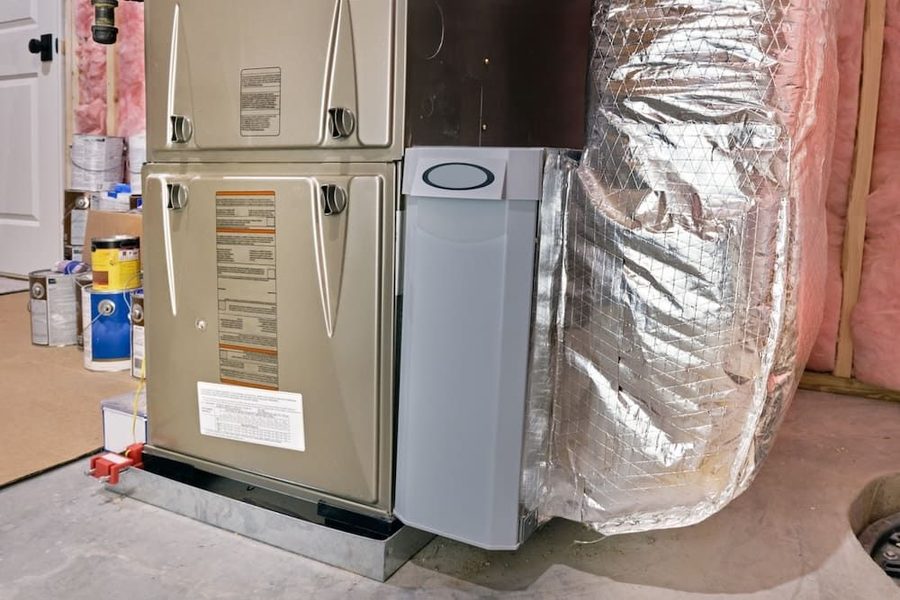
Why Does Your Furnace Smell When You First Turn It On? A Guide for Buffalo Homeowners
Before the First Freeze: How to Prepare Your Buffalo Heat Pump for Winter
What Does a Buzzing Circuit Breaker Mean?
6 Signs Your Ductwork May Be Leaking
How To Keep Critters Out Of Your Home’s Vent Opening
How To Tell If Your Toilet’s Wax Ring is Leaking
Get in Touch