$350 OFF a Tankless Water Heater Browse All Current Offers & Save Today


Back to Blog
When a Slow Drain Signals a Sewer Line Problem in Buffalo Homes
We have all dealt with a stubborn sink or shower that takes a little too long to empty. When soapy water starts pooling around your ankles during a morning shower, your first instinct is usually to grab a plunger or pour a bottle of chemical cleaner down the drain. For many minor household clogs, a quick clearing trick does the job. But if you find yourself constantly fighting slow drains in multiple rooms, or if your plunger provides only temporary relief, you are likely dealing with a much deeper plumbing failure.
In many Western New York properties, a persistent slow drain is a critical warning sign that your main underground sewer lateral is collapsing, leaking, or blocked. Ignoring these early warnings can quickly turn a minor inconvenience into a major emergency, sending raw sewage backing up through your basement drains. Our regional climate and aging infrastructure place unique strains on residential pipelines, making early detection essential. Roy’s Plumbing, Heating, Cooling & Electrical has been keeping local homes running safely with honest, dependable service since 1973. This guide breaks down the everyday warning signs that prove your slow drain is actually a major sewer line issue, and the cleanest ways to fix the problem permanently.
Main Line Blocks vs. Simple Clogs
To protect your property and your repair budget, it helps to understand the difference between a localized branch line clog and a deep main sewer line failure.
A localized clog happens right near the fixture itself. If your kids drop too much toothpaste down the bathroom sink, or hair tangles up beneath your shower grate, only that specific drain will slow down. The rest of the sinks, toilets, and tubs in your house will continue to flush and drain perfectly. These minor blocks can usually be cleared with a standard drain snake.
A main sewer line problem is a structural bottleneck affecting your home’s primary waste highway. Your main sewer lateral is the single underground pipe that carries every drop of wastewater from your house out to the municipal grid beneath the street. When this pipe is blocked or broken, wastewater has nowhere to go. This creates a systemic backup, causing multiple fixtures across your lower living areas or basement floor to drain sluggishly or back up simultaneously.
Signs That Your Sewer Line Is Failing
When your underground main line is structurally compromised, your plumbing system will exhibit a few distinct behavioral patterns right inside your home:
-
Simultaneous Slow Drains in Multiple Rooms: If your kitchen sink, basement utility tub, and first-floor toilet are all draining slowly or gurgling at the same time, the restriction is deep inside your primary main line.
-
The Infamous Multi-Fixture Back Up Rule: Pay close attention to how your fixtures interact. If you run your washing machine and soapy water instantly starts bubbling up through your basement floor drain, or if flushing the toilet causes water to rise inside your shower stall, your main line is completely blocked.
-
Persistent Gurgling and Bubbling Noises: Hearing a loud bubbling or gurgling sound coming from your toilet bowls or drains when no water is running means air is trapped inside the lines by a downstream sewage blockage.
-
Foul Rotten Egg Odors Near Drains: If a sour, sulfur-like sewage smell wafts out of your drains, it means wastewater is sitting stagnant inside your lines because it cannot clear the underground blockage.
-
Unexplained Wet, Lush Patches in the Lawn: If a section of your grass above your buried sewer line is suddenly bright green, soggy, or smelling like waste, your underground pipe has cracked and is actively leaking sewage into your soil.
The Buffalo Element: Mature Trees, Clay Soil, and Extreme Winter Freezes
Operating an underground plumbing network in Western New York introduces specific geographic and climate challenges that newer developments rarely face. Our local environment places immense physical pressure on legacy pipelines.
The single biggest threat to older sewer lines in our region comes from the beautiful, mature trees lining our neighborhoods. During dry summer stretches, the deep roots of old oaks and maples search for moisture, easily sniffing out the tiny joints or hairline cracks in old clay or cast-iron sewer pipes. Once a single root strand slips inside, it grows rapidly into a thick, woody mass that acts like a net, catching toilet paper and grease until the line is completely choked off.
Additionally, our local dense clay soil shrinks and swells drastically during rainy seasons and intense winter freezes. This continuous ground shifting puts a twisting force on brittle pipelines. When you combine shifting soil with our brutal Buffalo winters, the extreme frost line can press downward on shallow or weakened pipes, causing them to crack, offset, or drop, creating a structural valley where waste pools and thick clogs form.
Modern Solutions That Save Your Landscaping
Many local homeowners delay calling a professional for a sewer line issue because they are terrified of heavy machinery tearing up their green lawns, ripping through pristine driveways, or digging a massive trench across their front yards. Thankfully, modern plumbing technology allows us to diagnose and repair your main line cleanly without destroying your property’s curb appeal.
The absolute best way to diagnose a slow drain with total accuracy is through a non-invasive high-definition digital camera inspection. A technician slides a flexible, waterproof fiber-optic camera straight down your line, allowing you to see the exact health of your underground pipes on a live monitor. This takes the guesswork out of the project, pinpointing the exact location of tree roots, cracks, or sags.
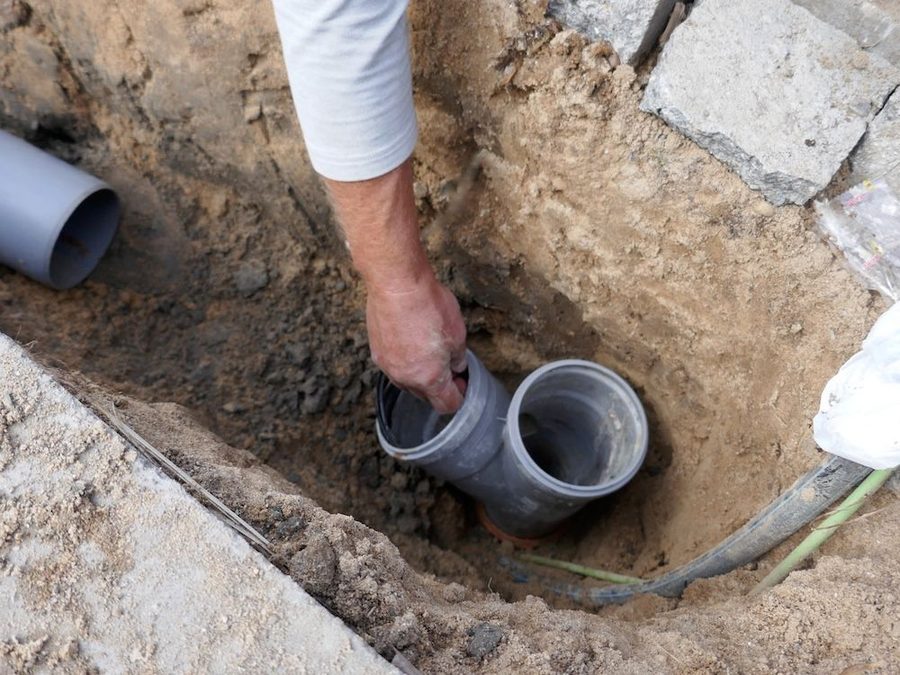
If your lines are simply packed with decades of grease, rust scale, or tree roots, we can blast them clean using high-pressure hydro-jetting. This process pumps highly pressurized water through your lines, scouring the pipe walls clean and restoring original flow capacity without any digging. For broken or structurally failed lines, advanced trenchless pipe technology allows us to pull a seamless, durable new line straight through your old, broken pipe using just small access holes, completely saving your landscaping and saving you thousands in restoration costs.
Restoring Safety and Flow to Your Home Utility Grid
Taking care of your home’s main underground waste pipeline is one of the most important responsibilities of property ownership. While simple tasks like using an eco-friendly drain treatment or keeping hair out of your shower grate can protect your localized branch lines, fixing a slow-moving main sewer line requires specialized heavy-duty diagnostic tools and professional trade expertise. Continuing to pour harsh chemical cleaners down a slow drain is a dangerous gamble that will erode your metal pipes, drive up your repair bills, and lead to a messy, hazardous sewage backup on your basement floor. Making the proactive choice to schedule a digital camera audit and clear out hidden restrictions early drops your emergency repair risks, protects your family’s health, and ensures your home plumbing network runs smoothly through every intense winter freeze.
Let Our Western New York Specialists Clear the Way
You do not have to struggle with frustrating drain backups or worry about hidden pipe emergencies on your own. The friendly, fully licensed team at Roy’s Plumbing, Heating, Cooling & Electrical has been delivering honest advice and master-level precision to Buffalo homeowners since 1973. Let our team restore total comfort and safety to your home plumbing grid before a minor slow drain turns into a major emergency.
Reach out to our team today to schedule your sewer service!
Recent News
Before the First Freeze: How to Prepare Your Buffalo Heat Pump for Winter
What Does a Buzzing Circuit Breaker Mean?
6 Signs Your Ductwork May Be Leaking
How To Keep Critters Out Of Your Home’s Vent Opening
How To Tell If Your Toilet’s Wax Ring is Leaking
Do Heat Pumps Work Well in Older Buffalo Homes?
Why Older Buffalo Homes Often Need Electrical Panel Upgrades
Get in Touch